
Best Landscape for Garden in Pakistan
Professional landscape for garden solutions
A beautiful garden landscape transforms any outdoor space into a relaxing and attractive environment. Many homeowners in Pakistan now invest in professional landscape for garden solutions to improve the appearance and value of their homes.
A well-designed garden landscape combines plants, lawn grass, trees, and decorative elements to create a natural balance. Whether you have a small backyard or a large lawn, the right landscaping design can make your garden look stunning.
In this guide, you will learn:
- The best garden landscape design ideas
- Plants and grass suitable for Pakistan climate
- Tips for small garden landscaping
- Professional landscape services
- Step-by-step garden landscaping process
If you are planning to create a beautiful outdoor space, this complete guide will help you choose the best landscape design for your garden.
What Is Landscape for Garden?
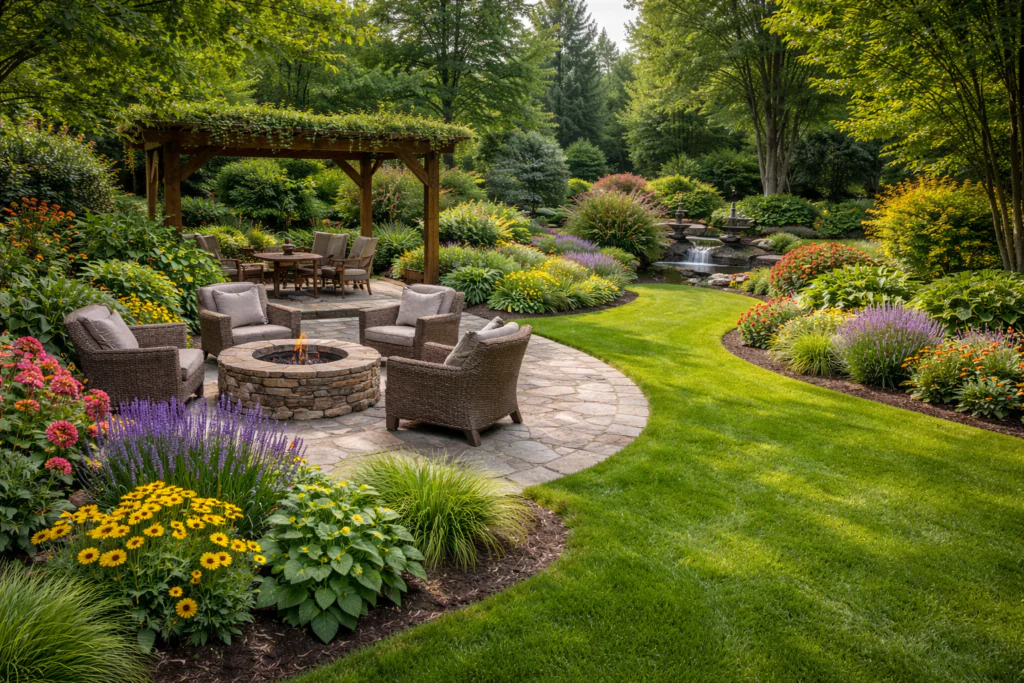
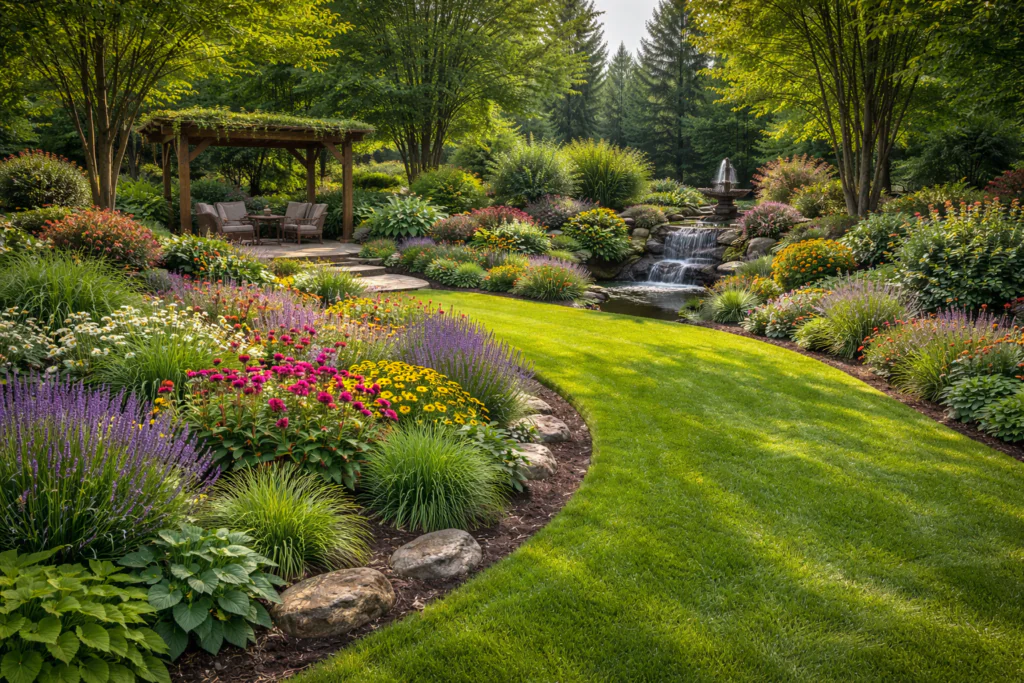
Landscape for garden refers to the process of designing and organizing outdoor spaces using plants, grass, trees, pathways, and decorative features.
The purpose of garden landscaping is to create a visually pleasing and functional outdoor area.
A good landscape design includes:
- Lawn grass
- Flower beds
- Trees and shrubs
- Garden paths
- Decorative stones
- Water features
Professional landscapers carefully plan these elements so that the garden looks natural and balanced.
Landscaping also improves:
- Property value
- Outdoor comfort
- Environmental benefits
- Home aesthetics
That is why landscaping has become very popular in modern homes across Pakistan.
Best Plants for Garden Landscaping
Plants play a major role in creating a beautiful and balanced landscape for garden. The right combination of plants, shrubs, and trees can transform a simple outdoor space into a relaxing green environment. In garden landscaping, plants provide color, texture, and natural beauty that improve the overall design.
When selecting plants for your garden landscape, it is important to choose varieties that grow well in the local climate. In Pakistan, warm temperatures and seasonal rainfall influence which plants perform best. Choosing suitable plants ensures healthy growth and reduces maintenance requirements.
A well-designed garden landscape usually includes three main plant categories: flowering plants, decorative shrubs, and shade trees. Each category serves a different purpose in landscaping and helps create a complete garden design.
Flowering Plants for Garden Landscaping
Flowering plants are one of the most attractive elements in a garden landscape. They add bright colors and create a lively atmosphere in the outdoor space. Many homeowners use flowering plants to design beautiful flower beds, garden borders, and decorative corners.
These plants bloom during different seasons, which means your garden can remain colorful throughout the year. Flowering plants also attract butterflies and bees, making the garden feel more natural and vibrant.
Some of the most popular flowering plants for gardens in Pakistan include:
- Roses – Roses are one of the most loved garden flowers. They are available in many colors and are perfect for creating elegant flower beds. Roses are often planted along garden borders or near walkways to enhance the visual appeal of the landscape.
- Jasmine – Jasmine plants are known for their pleasant fragrance and delicate white flowers. They are commonly used in home gardens because they grow well in warm climates and require moderate maintenance.
- Bougainvillea – Bougainvillea is a hardy plant that thrives in sunny environments. Its bright pink, purple, or orange flowers make it ideal for decorative garden walls, fences, and entrances.
- Hibiscus – Hibiscus plants produce large and colorful flowers that instantly brighten any garden space. These plants are often used in tropical landscape designs.
- Petunia – Petunias are excellent for seasonal flower beds and garden pots. Their wide range of colors allows gardeners to create creative floral patterns in the landscape.
Using a mix of these flowering plants can create vibrant flower beds that enhance the beauty of your garden landscaping design. For example, you can combine roses and petunias along the lawn edge to create a colorful border near your lawn grass area.
Decorative Shrubs for Garden Landscape
Decorative shrubs are another important component of a garden landscape. Unlike flowering plants, shrubs provide long-lasting greenery and structure to the garden design. They help define different areas of the garden and create natural boundaries.
Shrubs are often used along garden pathways, near entrances, or around flower beds. Their dense foliage adds depth and texture to the overall landscape layout.
Some popular decorative shrubs include:
- Boxwood – Boxwood shrubs are widely used in formal garden designs. They can be trimmed into different shapes, making them perfect for hedges and garden borders.
- Ficus – Ficus shrubs grow quickly and create dense green hedges. They are commonly used for privacy screens and boundary landscaping.
- Duranta – Duranta plants produce beautiful yellow flowers and small decorative berries. They are excellent for ornamental garden borders.
- Crotons – Crotons are known for their colorful leaves that come in shades of red, yellow, and green. These shrubs add unique color variations to the garden landscape.
Decorative shrubs work well when planted along garden walkways, near seating areas, or around decorative stone pathways. Yaseen Nursary creates a clean and organized look that improves the overall structure of the landscape design.
Shade Trees for Garden Landscaping
Trees are essential for creating a natural and comfortable garden environment. They provide shade, reduce heat, and improve air quality around the home. In warm regions, shade trees are especially valuable because they help keep outdoor spaces cooler.
Trees also serve as focal points in landscape design. Large trees can anchor the garden layout and create a sense of balance between lawn areas and plant beds.
Common shade trees suitable for gardens in Pakistan include:
- Neem Tree – Neem trees are widely known for their medicinal properties and strong shade. They grow well in hot climates and require minimal maintenance.
- Palm Tree – Palm trees add a tropical feel to the garden landscape. They are often used in modern landscaping designs and along garden entrances.
- Gulmohar Tree – Gulmohar trees produce bright red flowers during the blooming season. Their wide canopy provides excellent shade and creates a stunning visual impact.
- Ashoka Tree – Ashoka trees are tall and elegant. They are commonly planted along garden boundaries or driveways to create a neat and decorative appearance.
Planting trees strategically around the garden can reduce sunlight exposure on lawns and seating areas. This helps maintain a cooler and more comfortable outdoor environment.
Creating a Balanced Garden Landscape with Plants
A successful landscape for garden combines flowering plants, shrubs, and trees in a balanced way. Flowering plants add color, shrubs provide structure, and trees offer shade and height variation.
For example, you can plant shade trees near seating areas, add shrubs along pathways, and create colorful flower beds near your lawn grass installation. This layered approach makes the garden look natural and professionally designed.
By carefully selecting plants suited to the local climate, you can create a garden landscape that remains healthy, vibrant, and visually appealing throughout the year.
Best Lawn Grass for Garden Landscaping
Lawn grass is the foundation of most garden landscapes. A healthy green lawn creates the base that connects all other landscaping elements, such as plants, trees, flowers, and pathways. When the lawn looks fresh and well-maintained, the entire garden automatically appears more beautiful and organized. Because of this, selecting the right type of grass is one of the most important decisions when designing a garden landscape.
Different types of lawn grass grow better in different climates and soil conditions. In Pakistan, where temperatures can become very high in summer, it is important to choose grass varieties that can tolerate heat and require reasonable maintenance. The right lawn grass will grow evenly, resist weeds, and maintain a vibrant green color throughout most of the year. Proper grass selection also reduces the need for frequent watering, fertilizing, and repairs.
A well-chosen lawn grass provides several benefits. It improves the visual appeal of your garden, creates a soft surface for walking or relaxing, and helps control soil erosion. In addition, grass absorbs dust, improves air quality, and reduces heat around your home. This is why most modern garden landscape designs start with the installation of a strong and healthy lawn.
Bermuda Grass
Bermuda grass is one of the most popular lawn grasses in warm regions. It grows very well in hot climates and adapts easily to different soil conditions. Because of its strong growth pattern, Bermuda grass quickly spreads and forms a thick lawn surface.
This grass variety is commonly used in home gardens, parks, sports fields, and large outdoor spaces. It can tolerate heavy foot traffic and recovers quickly from damage.
Benefits of Bermuda grass include:
- Fast growth and quick lawn coverage
- Excellent drought resistance
- Soft and comfortable texture underfoot
- Strong tolerance to heat and sunlight
With regular mowing and watering, Bermuda grass can create a dense and vibrant lawn that looks attractive throughout the growing season.
Zoysia Grass
Zoysia grass is another excellent choice for residential garden landscaping. It is well known for its thick growth and luxurious appearance. Once established, Zoysia forms a dense carpet of grass that prevents weeds from growing.
Homeowners prefer Zoysia grass because it requires less maintenance compared to many other grass types. It also maintains its deep green color for a long time during the growing season.
Advantages of Zoysia grass include:
- Thick and uniform coverage
- High durability and wear resistance
- Attractive dark green color
- Good tolerance to heat and moderate drought
Because of its beautiful appearance and durability, Zoysia grass is widely used in decorative lawns and residential landscapes.
Carpet Grass
Carpet grass is commonly used when a smooth and uniform lawn appearance is desired. This grass grows evenly and forms a soft green layer that looks very clean and organized. It is often used in decorative gardens where visual appeal is the main priority.
Carpet grass adapts well to moist soil conditions and can grow successfully in areas where other grasses may struggle. It spreads naturally across the ground and creates a consistent lawn surface.
Many garden designers use carpet grass for ornamental lawns, pathways, and relaxation areas because it provides a comfortable surface and enhances the landscape’s beauty.
When properly maintained with regular watering and mowing, carpet grass can produce a lush lawn that complements flowers, shrubs, and trees in a garden landscape.
Steps to Create a Landscape for Garden
Creating a beautiful landscape for a garden requires proper planning, the right materials, and careful execution. A well-designed garden landscape improves the appearance of your home and creates a peaceful outdoor environment. Whether you have a small backyard or a large lawn area, following a clear landscaping process helps you achieve the best results.
Garden landscaping is not only about planting flowers and grass. It also involves designing pathways, preparing soil, selecting plants, and adding decorative elements that complement the overall design. When each step is done correctly, your garden becomes a balanced and attractive outdoor space.
Below are the essential steps to create a successful garden landscape.
Step 1: Planning the Garden Layout
Planning is the most important step when designing a garden landscape. Before planting anything, you should carefully study the available space and decide how different elements will fit together.
A good garden layout ensures that plants, lawn grass, and decorative features are arranged in a visually pleasing way. It also helps you use the available space efficiently.
Analyze the Garden Space
Start by measuring your garden area. Look at the shape of the land, sunlight exposure, and existing plants or structures. These factors influence the design of your garden landscape.
For example:
- Areas with full sunlight are suitable for lawn grass and flowering plants.
- Shaded areas are better for shrubs and shade-tolerant plants.
- Corners of the garden can be used for decorative trees or seating areas.
Understanding the natural conditions of your garden helps you choose the right landscaping design.
Create a Landscape Design Plan
Once you understand the space, create a simple landscape design plan. This plan should show where each element will be placed.
Typical garden layout elements include:
- Lawn grass areas
- Flower beds
- Trees and shrubs
- Walkways and pathways
- Seating areas
Planning the layout prevents mistakes and ensures that your garden looks organized and attractive.
Step 2: Soil Preparation
Healthy soil is the foundation of a successful garden landscape. Plants, grass, and trees cannot grow properly if the soil lacks nutrients or has poor structure. Preparing the soil before planting ensures long-term garden health.
Removing Weeds
The first step in soil preparation is removing weeds. Weeds compete with plants for nutrients, water, and sunlight. If they are not removed early, they can quickly spread across the garden.
Clear the soil by removing weeds and unwanted plants. This creates a clean surface for planting.
Adding Organic Compost
After clearing the soil, add organic compost or natural fertilizer. Compost improves soil fertility and helps plants grow stronger roots.
Organic compost provides important nutrients such as:
- Nitrogen
- Phosphorus
- Potassium
These nutrients support healthy plant development and improve soil texture.
Leveling the Soil
Leveling the soil is especially important for lawn grass installation. Uneven soil can cause water pooling and irregular grass growth.
Use basic gardening tools to level the ground and create a smooth surface. A well-level soil base ensures better landscaping results.
Step 3: Lawn Grass Installation
Lawn grass forms the foundation of most garden landscapes. A healthy green lawn creates a beautiful base that connects all other landscaping elements.
Installing the right type of lawn grass is essential for long-term garden success.
Choosing the Right Lawn Grass
Different types of grass grow better in different climates. In warm regions such as Pakistan, heat-tolerant grass varieties are the best choice.
Popular lawn grass options include:
- Bermuda grass
- Zoysia grass
- Carpet grass
These grass types grow well in warm temperatures and provide dense lawn coverage.
Preparing the Lawn Area
Before installing grass, ensure the soil is properly prepared and leveled. Remove stones, debris, and leftover weeds from the lawn area.
You can install lawn grass using:
- Grass sod
- Grass seed
- Lawn grass rolls
Sod installation is faster and produces an instant lawn appearance.
Watering the Lawn
After installation, watering is extremely important. Proper watering helps grass roots establish quickly in the soil.
During the early growth stage, water the lawn regularly to maintain moisture. Once the grass becomes established, watering can be reduced to a normal schedule.
Step 4: Planting Trees and Flowers
Trees and flowers are essential elements of garden landscaping. They add color, texture, and structure to the outdoor space.
Choosing the right plants ensures that your garden remains attractive throughout the year.
Selecting Suitable Plants
Select plants that grow well in your local climate. Native plants are usually easier to maintain and adapt better to the environment.
Popular garden plants include:
- Roses
- Jasmine
- Bougainvillea
- Hibiscus
- Decorative shrubs
Combining flowering plants with green shrubs creates a balanced garden landscape.
Plant Placement in Landscape Design
Plant placement should follow the garden design plan created earlier. Taller plants and trees should be placed toward the back of the garden, while smaller plants and flowers can be placed near pathways or lawn borders.
This arrangement improves visual balance and makes the garden appear more spacious.
Creating Flower Beds
Flower beds are a great way to highlight colorful plants. Use curved or rectangular flower beds to create attractive garden patterns.
Mulching around flower beds helps maintain soil moisture and reduces weed growth.
Step 5: Adding Decorative Features
Decorative elements complete the overall look of a garden landscape. These features enhance visual appeal and make the outdoor space more enjoyable.
Even simple decorative additions can transform an ordinary garden into a beautiful landscape.
Garden Lighting
Garden lights improve the appearance of the landscape during evening hours. Soft lighting highlights plants, pathways, and trees, creating a relaxing atmosphere.
Solar garden lights are a popular option because they are energy efficient and easy to install.
Decorative Stones and Pathways
Decorative stones and pathways add structure to the garden layout. They guide movement through the garden and protect lawn areas from heavy foot traffic.
Stone pathways can be designed using:
- Natural stones
- Concrete tiles
- Gravel paths
These materials create both functional and attractive walkways.
Water Features
Water features such as fountains, ponds, or small waterfalls add a sense of calm and elegance to the garden landscape.
The sound of flowing water creates a peaceful environment and enhances the natural beauty of the space.
Garden Furniture
Garden furniture allows homeowners to enjoy their landscaped outdoor area. Comfortable seating areas encourage relaxation and social gatherings.
Common garden furniture options include:
- Outdoor chairs
- Garden benches
- Patio tables
- Pergola seating areas
Adding furniture transforms the garden into a functional outdoor living space.
Final Thoughts on Creating a Garden Landscape
Designing a successful landscape for garden requires careful planning and proper execution. From preparing the soil to installing lawn grass and adding decorative elements, every step plays an important role in the final result.
When these steps are followed correctly, your garden becomes a beautiful and relaxing environment that enhances the overall value of your home.
A well-maintained landscape not only improves visual appeal but also provides a peaceful space where you can enjoy nature and spend quality time outdoors. With the right planning and regular care, your garden landscape can remain healthy, green, and attractive for many years. 🌿
Landscape Maintenance Tips
Maintaining your garden landscape is essential if you want it to remain attractive and healthy for many years. A well-maintained garden not only improves the appearance of your home but also supports the healthy growth of plants, flowers, and lawn grass. Regular care ensures that your landscape stays green, clean, and visually appealing throughout the year. Simple maintenance practices such as mowing, watering, fertilizing, and weed control can make a big difference in the overall quality of your garden.
Regular Lawn Mowing
Regular lawn mowing is one of the most important parts of garden maintenance. Cutting the grass at the right height helps the lawn grow thicker and healthier. When grass is trimmed regularly, it encourages new growth and prevents the lawn from becoming uneven or messy. Mowing also removes dry or damaged grass blades, which helps the lawn maintain a fresh and vibrant appearance.
Proper Watering
Proper watering is necessary for both plants and lawn grass. During hot weather, gardens lose moisture quickly, so consistent watering helps maintain healthy growth. Early morning or evening watering is usually the best time because it reduces water evaporation. Providing the right amount of water helps grass stay green and prevents plants from drying out.
Fertilization
Fertilizing the soil adds important nutrients that plants need to grow strong and healthy. Organic fertilizers are often recommended because they improve soil structure and support long-term plant growth. Regular fertilization helps maintain a rich, fertile soil environment for your garden.
Weed Control
Weeds compete with plants and grass for water, sunlight, and nutrients. Removing weeds regularly helps protect the health of your garden landscape. Keeping the lawn clean from weeds ensures that your plants and grass can grow properly without unnecessary competition.
❓ Frequently Asked Questions (FAQs)
The best landscape for garden includes lawn grass, flowering plants, trees, and decorative pathways. A balanced design creates a beautiful and functional outdoor space.
Bermuda grass and Zoysia grass are among the best options for lawn grass in Pakistan because they grow well in warm climates.
The cost of landscaping depends on garden size, plant selection, and design complexity. Basic landscaping projects are more affordable.
Bermuda grass and Zoysia grass are among the best options for lawn grass in Pakistan because they grow well in warm climates.
The cost of landscaping depends on garden size, plant selection, and design complexity. Basic landscaping projects are more affordable.