
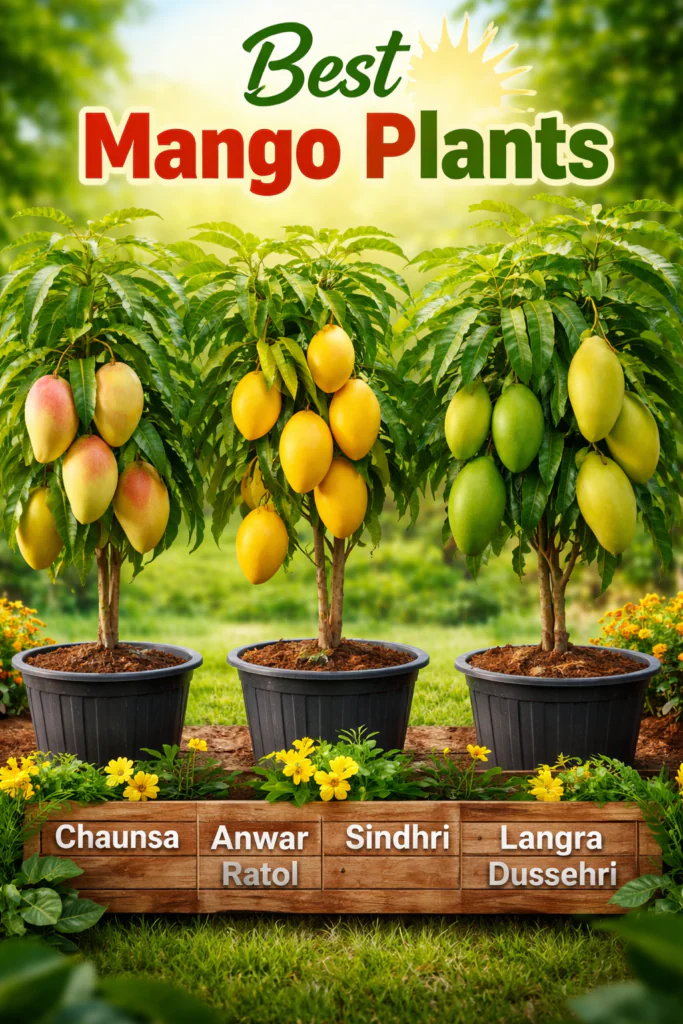
Best Mango Plants
Mango Plants: Complete Guide to Growing, Caring, and Buying Mango Plants in Pakistan
Mango plants are one of the most beloved fruit plants in Pakistan. Known as the “king of fruits,” mangoes are not only delicious but also highly profitable if grown properly. Whether you are a home gardener or planning a nursery business, understanding mango plants is essential.
In this complete guide, you will learn everything about mango plants, including how to grow them, care tips, fertilizer usage, common problems, and where to buy mango plants in Pakistan.
Mango plants thrive in warm climates, making Pakistan an ideal region for cultivation. Popular varieties like Chaunsa, Sindhri, and Anwar Ratol are widely grown due to their high market demand and excellent taste. Choosing grafted mango plants is highly recommended, as they start fruiting earlier and ensure better quality yield compared to seed-grown plants.
For optimal growth, mango plants require well-drained soil, full sunlight, and proper spacing. Regular watering during the early stage, combined with balanced fertilizers rich in nitrogen, phosphorus, and potassium, significantly improves plant health and fruit production. Pruning and pest control are also essential practices to maintain a strong and productive tree.
If you are planning to buy mango plants, always select a trusted nursery that offers disease-free and certified plants. Checking the plant’s roots, stem strength, and variety authenticity can save you from future losses. With the right techniques and care, mango farming can become a highly rewarding investment, both for personal consumption and commercial profit in Pakistan.
🌱 What Are Mango Plants?
Mango plants are tropical fruit-bearing trees that belong to the species Mangifera indica. These plants thrive in warm climates and produce juicy, sweet fruits that are widely consumed across South Asia. In Pakistan, mango cultivation holds significant agricultural and economic value, with demand increasing every year in both local and export markets.
Mango plants can grow into large trees, but with proper care and pruning, they can also be maintained in small gardens or even pots. This makes them suitable for both commercial farming and home gardening. Dwarf and grafted mango plants are especially popular among urban growers, as they require less space and start producing fruit much earlier than traditional trees.
For healthy growth, mango plants need full sunlight, well-drained soil, and moderate watering. Overwatering should be avoided, as it can damage roots and reduce plant health. Applying organic compost and balanced fertilizers helps improve growth, flowering, and fruit quality. Additionally, regular pruning encourages better air circulation and stronger branch development.
Mango plants typically begin to bear fruit within 3–5 years if grafted, while seed-grown plants may take longer. Proper pest and disease management, including protection from insects and fungal infections, is essential to ensure a high-quality yield. With the right care and environment, mango plants can provide abundant harvests and long-term benefits for growers.
🌿 Types of Mango Plants in Pakistan
Pakistan is home to some of the best mango varieties in the world, and choosing the right mango plant is essential for achieving high yield, superior taste, and strong market demand. Whether you are planning to grow mangoes in your home garden or looking to start a commercial orchard, selecting the right variety can directly impact your success. Understanding the characteristics of each type helps you make a better decision, especially if your goal is to buy mango plants for profit or long-term cultivation.
Why Choosing the Right Mango Variety Matters
Not all mango plants are the same. Some varieties are known for their sweetness, while others are valued for their size, shelf life, or export quality. Climate compatibility, disease resistance, and fruiting time also vary between types. If you are planning to buy mango plants in Pakistan, it is important to select a variety that suits your local climate and meets your specific goals, whether for personal use or commercial farming.
Chaunsa Mango Plant
The Chaunsa mango plant is one of the most popular and high-demand varieties in Pakistan. It is widely exported due to its rich sweetness, strong aroma, and juicy pulp. This variety performs exceptionally well in regions like South Punjab, especially Multan and Rahim Yar Khan. If you are looking to buy mango plants for commercial purposes, Chaunsa is a highly profitable choice because of its premium market value. Grafted Chaunsa plants usually begin fruiting within three to four years.
Sindhri Mango Plant
Sindhri mango is another well-known variety, mainly grown in Sindh. It is recognized for its large size, bright yellow color, and mildly sweet taste. One of its biggest advantages is early-season production, allowing farmers to enter the market sooner. If you want to buy mango plants that offer early returns, Sindhri is a smart option. Its attractive appearance and export quality make it highly valuable.
Anwar Ratol Mango Plant
Anwar Ratol is famous for its exceptional sweetness and unique flavor, even though the fruit size is smaller compared to other varieties. It is considered a premium mango in Pakistan and is highly sought after in local markets. However, this plant requires more care and attention, as it is sensitive to weather conditions and pests. If your focus is on quality and taste, buying Anwar Ratol mango plants can be a rewarding decision.
Langra Mango Plant
Langra mango is easily identified by its green skin, even when fully ripe. It has a distinct tangy-sweet flavor that makes it popular among consumers. This variety is widely grown in different parts of Punjab and is relatively easier to manage. For those looking to buy mango plants with consistent production and unique taste, Langra is a reliable choice for both home gardeners and farmers.
Dussehri Mango Plant
Dussehri mango plants produce elongated fruits with a smooth texture and sweet flavor. This variety is known for its low fiber content and pleasant aroma. It adapts well to various climates, making it suitable for small-scale farming and home gardening. If you are planning to buy mango plants for personal use, Dussehri is a practical and easy-to-grow option.
Tips Before Buying Mango Plants
When purchasing mango plants, always choose grafted plants from a trusted nursery. Grafted plants ensure early fruiting, better quality, and true variety results. Check the plant carefully for healthy roots, strong stems, and disease-free leaves. Investing in high-quality plants at the beginning can prevent future losses and improve overall yield.
Which Mango Variety is Best for You
If your goal is commercial farming, Chaunsa and Sindhri are excellent choices due to their high demand and profitability. For premium taste and niche markets, Anwar Ratol stands out. If you are a home gardener, Dussehri and Langra are easier to manage and maintain.
🌞 Ideal Climate for Mango Plants
Mango plants grow best in warm and tropical conditions where temperature, sunlight, and rainfall are well balanced. Maintaining the right environment is essential for healthy growth, strong flowering, and high-quality fruit production.
Temperature: Mango plants thrive in temperatures between 24°C to 35°C. This range supports active growth and proper fruit development. Extremely high temperatures can cause flower drop, while low temperatures slow down growth. Young mango plants are especially sensitive to cold weather, so maintaining a stable climate is important during early stages.
Sunlight: Full sunlight is crucial for mango plants. They require at least 6–8 hours of direct sunlight daily to perform photosynthesis effectively. Proper sunlight exposure leads to better flowering, sweeter fruit, and overall stronger trees. Planting mango trees in open areas without shade ensures maximum sunlight absorption.
Rainfall: Mango plants prefer moderate rainfall. While they need water for growth, excessive rainfall or waterlogging can damage roots and lead to diseases. Well-drained soil is essential to prevent standing water around the roots. During flowering and fruiting seasons, controlled watering helps improve yield and fruit quality.
Mango plants are sensitive to frost and cold winds. In colder regions, growers should provide protection such as covering young plants or using windbreaks to prevent damage. Proper climate management ensures healthy trees and consistent fruit production year after year.
🌱 How to Grow Mango Plants (Step-by-Step)
Growing mango plants can be simple and highly rewarding when you follow the correct method. With proper planning, soil preparation, and care, you can successfully grow healthy trees in your garden or farm and enjoy long-term benefits.
🌱 Choosing the Right Starting Material
The first step is selecting how you want to grow your plant. You can start from a seed or choose a grafted plant from a reliable nursery. Seed-grown plants take longer to produce fruit and may not give the same quality as the parent tree. On the other hand, grafted plants are preferred because they grow faster, produce fruit earlier, and maintain the original variety’s taste and quality. For better results, always select a healthy plant with strong roots and fresh green leaves.
🌿 Soil Preparation for Healthy Growth
Proper soil preparation is essential for strong root development. Mango trees grow best in well-drained soil that prevents water from collecting around the roots. Slightly acidic to neutral soil pH is ideal for optimal nutrient absorption. Before planting, mix organic compost or farmyard manure into the soil to improve fertility and structure. This step helps the plant establish quickly and supports long-term growth.
🌳 Step-by-Step Planting Process
Planting should be done carefully to avoid damaging the roots. Start by digging a hole that is at least twice the size of the plant’s root ball. This provides enough space for the roots to spread easily. Place the plant gently in the center of the hole, keeping it upright. Fill the hole with prepared soil and press it lightly to remove air pockets. After planting, water thoroughly to help the soil settle and support root contact.
💧 Watering Techniques That Work
Watering plays a key role, especially during the early stages. Newly planted trees need regular watering to establish strong roots. However, overwatering should be avoided, as it can lead to root rot and other diseases. The goal is to keep the soil moist but not waterlogged. As the tree matures, watering frequency can be reduced, but deep watering is still important during dry periods.
☀️ Importance of Proper Sunlight
Sunlight is one of the most critical factors for growth and fruit production. Mango trees require full sunlight exposure for at least 6 to 8 hours daily. Adequate sunlight improves photosynthesis, strengthens the plant structure, and enhances fruit sweetness and quality. Always plant in an open area where the tree can receive uninterrupted sunlight throughout the day.
🌼 Early Care and Maintenance
During the first few months, regular monitoring is important. Remove weeds around the base of the plant to reduce competition for nutrients. Applying mulch can help retain soil moisture and regulate temperature. Light pruning can also be done to shape the plant and encourage better branching, which leads to improved productivity in the future.
🛡️ Protecting from Pests and Diseases
Young plants are more vulnerable to pests and diseases. Common issues include insects, fungal infections, and leaf damage. Using organic pesticides or neem oil can help control pests naturally. Ensuring proper air circulation and avoiding excess moisture also reduces the risk of disease.
🌿 Mango Plant Care Guide – Complete Growing Tips
A mango plant rewards patience with sweet, juicy fruit, but only if it gets the right care at every stage. From watering to pruning, small habits make a big difference between a plant that just survives and one that produces a bumper crop every season.
Why Mango Plant Care Matters
Proper care ensures healthy growth and better fruit production. Neglecting basic care — wrong watering, poor soil, or ignoring pests — is the main reason many home-grown mango plants fail to fruit or grow weak and yellow.
Watering Schedule
Watering is the single most common mistake in mango plant care. Too much water rots the roots; too little stresses the plant.
✔ Watering Schedule
- Young plants: 2–3 times per week
- Mature plants: Once a week
During Pakistan’s peak summer months, young plants may need slightly more frequent watering, while mature mango trees are naturally drought-tolerant once established.
Sunlight and Soil Requirements
Mango plants are sun-loving by nature. Place your plant where it gets at least 6–8 hours of direct sunlight daily. Well-drained, fertile soil with a slightly acidic to neutral pH works best. Waterlogged or heavy clay soil is one of the leading causes of root rot in mango plants.
Pruning
✔ Pruning
- Remove dead branches
- Maintain shape
Pruning also improves air circulation within the canopy, reducing the risk of fungal infections and encouraging stronger flowering the following season. Late winter, before new growth begins, is the ideal time to prune.
Mulching
✔ Mulching helps retain moisture and improve soil quality.
A 2–3-inch layer of organic mulch around the base also helps keep soil temperature stable and suppresses weed growth that competes with the plant for nutrients.
Fertilizer Tips for Mango Plants
Balanced NPK fertilizer applied every 6–8 weeks during the growing season helps mango plants develop strong roots and better fruit set. Avoid over-fertilizing young plants, as it can burn tender roots.
Common Mango Plant Problems
Mango hoppers, fruit flies, and powdery mildew are the most frequent issues gardeners face. Regular inspection of leaves and new shoots helps catch problems early, before they spread to the whole plant.
Mango Plant Care in Pots
For rooftop or balcony gardening, potted mango plants need slightly more attention to watering since soil in containers dries out faster than in-ground planting. Choose a pot at least 18–24 inches wide for healthy root development.
Final Tips for Healthy Mango Trees
Consistent watering, timely pruning, and good soil health together form the foundation of strong mango plant care. With the right routine, even a home garden can produce fruit that rivals orchard-grown mangoes.
❓ Frequently Asked Questions (FAQs)
Yes, you can grow mango plants at home, even in a limited space.
Tips:
- Use large pots
- Choose dwarf varieties
- Ensure sunlight
Mango plants typically start fruiting in:
- 3–5 years (grafted plants)
- 5–8 years (seed-grown plants)
Flowering depends on climate and care.
- Fresh organic fruit
- High market demand
- Shade and beauty
- Profitable farming
Organic compost + NPK fertilizer.
Mango Farming Business Opportunity
Mango farming business is a profitable agricultural opportunity, especially in countries like Pakistan, where the climate and soil conditions are suitable. The demand for Mango is high in both local and international markets due to its sweet taste and nutritional value. Farmers can earn significant income by cultivating improved mango varieties, using modern farming techniques, and managing orchards efficiently.
The business requires initial investment in land preparation, seedlings, irrigation systems, and fertilizers, but returns increase after a few years when trees start producing fruit. Value-added products such as mango pulp, juice, and dried mango can further increase profits. Export opportunities also provide strong revenue potential. Proper pest control, pruning, and post-harvest handling are essential for quality production. With growing global demand, mango farming offers long-term sustainability, employment generation, and strong economic growth for rural communities. Government support and training programs can further improve farmer profitability and productivity in rural areas significantly.
📝 Conclusion
Mango plants are an excellent choice for both home gardening and commercial farming in Pakistan. With proper care, the right fertilizer, and good sunlight, you can enjoy healthy mango production for years.
Whether you want to grow mango plants at home or start a nursery business, now is the perfect time to begin.