🌿 Why Your Plants Die After Buying? 10 Common Nursery Mistakes & Solutions
Buying a fresh, healthy plant from a nursery feels like a small victory. The leaves are green, the stems are strong, and everything looks perfect. But then, within a few days or weeks, the plant starts to decline. Leaves turn yellow, growth stops, and sometimes the plant dies completely.
If this keeps happening, you’re not alone. Thousands of people face the same issue, especially beginners in gardening.
The truth is simple: Most plants don’t die because they are weak — they die because of incorrect care after purchase.
This detailed guideexplainsexactly why plants die after purchase, along with 10 common mistakes and their practical solutions. By the end, you’ll know how to keep your plants healthy, thriving, and growing for years.
🌱 Understanding the Real Problem
Before jumping into mistakes, it’s important to understand what happens when you bring a plant home.
Plants in nurseries are grown in:
- Controlled environments
- Proper watering schedules
- Ideal sunlight conditions
- Professionally managed soil
When you bring them home, everything changes:
- Light intensity is different
- Temperature fluctuates
- Watering habits change
- Soil dries differently
This sudden change causes plant stress, also known as transplant shock.
If not handled properly, this stress leads to plant death.
❌ 1. Overwatering – The Biggest Mistake That Makes Plants Die
Why does this mistake happen
Many people believe that more water means better growth, but this thinking is the biggest reason why plants die in homes and gardens. Plants don’t need constant water—they need a balance between moisture and air. Roots require oxygen to function properly, and when soil stays wet all the time, that oxygen supply is cut off. This creates the perfect condition for root damage and eventually plant die issues.
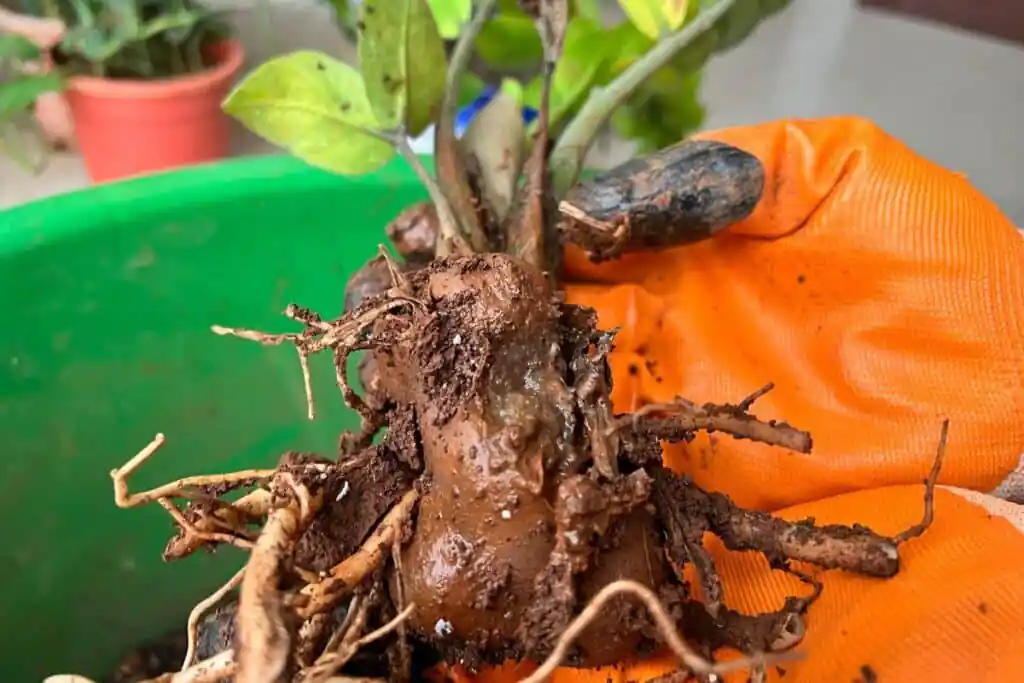
Inside the soil, water fills all the air pockets, leaving no space for roots to breathe. As a result, roots begin to suffocate, fungal infections start developing, and root rot spreads quickly. Once root rot begins, saving the plant becomes very difficult.
Common signs that your plant dies due to this mistake include yellow leaves, especially at the bottom, soft or mushy stems, a bad smell from the soil, and sudden leaf drop. These symptoms clearly indicate that the roots are already under stress.
To avoid this mistake, always check the soil before watering. Insert your finger 1–2 inches deep—if it feels dry, then water. If it feels moist, wait.
👉 Important Tip: Slight underwatering is much safer than overwatering. Fixing this one mistake can prevent most cases where plants die.
☀️ 2. Wrong Light Exposure – A Silent Reason Why Plants Die
Why does this mistake happen
Light plays a critical role in plant survival, yet it is one of the most ignored factors. Many people place plants based on decoration rather than their actual needs, which becomes a major mistake. This is a silent reason why plants die slowly without obvious signs at first.
Every plant has its own light requirement. Some thrive in bright indirect light, while others need direct sunlight for several hours daily. When plants are placed in the wrong lighting conditions, their growth process is disturbed. They cannot produce enough energy through photosynthesis, which leads to weak health and eventually plant death.
Common mistakes include keeping shade plants under harsh sunlight, placing sun-loving plants indoors, or ignoring window direction completely. Over time, these small mistakes create major damage.
Signs of light-related problems include leggy or stretched growth, pale or yellow leaves, and a lack of flowering or fruiting. These are clear signals that the plant is not getting the right light.
To fix this, place indoor plants near bright windows with indirect light. Outdoor plants should receive at least 5–6 hours of sunlight. Rotating plants weekly also helps ensure even growth.
Without proper light, plant death becomes unavoidable, no matter how well you manage other factors.
🪴 3. Immediate Repotting – A Stressful Mistake
Why does this mistake happen
Repotting a plant immediately after bringing it home seems helpful, but it is actually a harmful mistake. Plants go through stress during transportation and environmental change. Adding repotting stress on top of that increases the chances of the plant dying significantly.
When a plant is moved from a nursery to your home, it already faces changes in light, temperature, and humidity. During this time, it needs rest and adjustment, not disturbance. Repotting damages roots slightly and forces the plant to adapt again, which can overwhelm it.
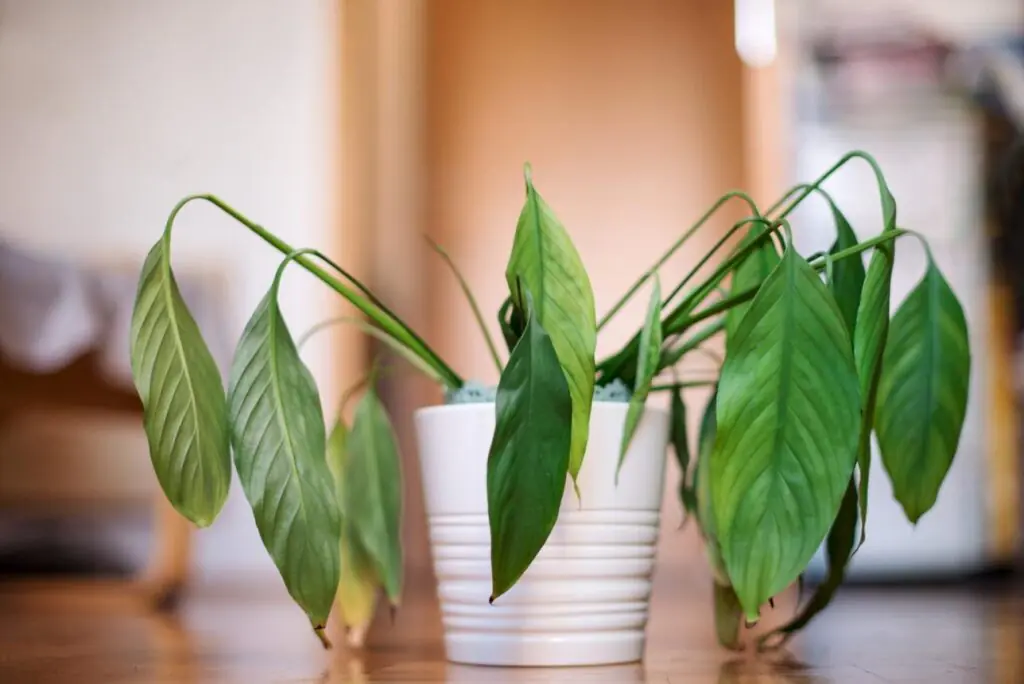
This mistake often results in transplant shock. Signs include drooping leaves, sudden leaf fall, and a complete pause in growth. Many people think the plant needs more care at this stage, but the real issue is too much interference.
The best solution is simple—wait at least 5–7 days before repotting. Give the plant time to adjust to its new environment. During this period, keep it in a shaded and stable area. Avoid moving it frequently.
By avoiding this mistake, you reduce stress and allow the plant to recover naturally. This small step plays a big role in preventing plant die after purchase.
💧 4. Inconsistent Watering – A Confusing Mistake for Plants
Why does this mistake happen
Inconsistent watering is a very common mistake that confuses plants and disrupts their natural rhythm. Many people water heavily one day and then forget the plant for several days. This irregular pattern creates stress and leads to plant death over time.
Plants prefer stability. Their roots adjust according to a consistent moisture pattern. When watering is unpredictable, roots cannot adapt properly. Sometimes they sit in excess water, and other times they face dryness. This imbalance weakens the plant gradually.
Signs of this mistake include curling leaves, dry or crispy edges, and weak stems. These symptoms show that the plant is struggling to cope with changing conditions.
To fix this issue, avoid following a strict calendar-based schedule. Instead, observe the soil regularly. Water the plant based on its actual need rather than fixed timing. Maintaining consistency in care is more important than frequency.
This simple correction can significantly reduce plant die cases. When plants receive steady and balanced moisture, they grow stronger and healthier without stress.
🌿 5. Poor Soil Quality – Hidden Mistake That Makes Plants Die
Why does this mistake happen
Soil is the foundation of plant health, yet many people ignore its quality. Nursery soil is often temporary and not suitable for long-term growth. This hidden mistake is a major reason why plants die slowly over time.
Poor soil creates multiple problems. It may hold too much water, causing root rot, or drain too quickly, leaving roots dry. It may also lack essential nutrients required for growth. These issues directly affect root health and lead to plant dieback conditions.
A good soil mix is essential for proper growth. The ideal mix includes 40% garden soil, 30% compost, and 30% sand or perlite. This combination ensures balanced moisture, proper drainage, and nutrient availability.
Healthy soil allows roots to breathe, absorb nutrients efficiently, and grow strong. When roots are healthy, the entire plant thrives.
Ignoring soil quality is a serious mistake that many beginners make. By improving soil structure, you can prevent plant death from the root level and ensure long-term plant survival.
🐛 6. Ignoring Pests – A Dangerous Mistake
Why does this mistake happen
Pests are often invisible at first, which makes them easy to ignore. Many plants already carry pests when purchased, and failing to inspect them is a dangerous mistake that leads to plant die.
Common pests like aphids, mealybugs, and spider mites feed on plant sap. They weaken the plant gradually and spread quickly if not controlled.
Signs of pest infestation include sticky leaves, white powder-like substances, holes in leaves, and web structures. These signs indicate that pests are actively damaging the plant.
To prevent this issue, always inspect plants before buying. After bringing them home, isolate new plants for at least 5 days. This prevents pests from spreading to other plants. Regular neem oil spray is also an effective preventive measure.
Early detection is key. If pests are controlled in the beginning, plant die can be avoided easily. Ignoring this mistake can damage not just one plant but your entire collection.
🌡️ 7. Temperature Shock – Sudden Change Mistake
Why does this mistake happen
Plants are highly sensitive to temperature changes. Sudden shifts in the environment create stress, which leads to plant die if not managed properly.
This mistake often happens when plants are placed near AC vents, heaters, or exposed to harsh sunlight through glass. Rapid temperature fluctuations disturb the plant’s internal balance.
Signs of temperature shock include sudden leaf drop, burn marks, and wilting. These symptoms appear quickly and can worsen if conditions are not corrected.
To avoid this mistake, keep plants in a stable environment. Avoid placing them near direct air sources like AC or heaters. Gradually introduce plants to outdoor conditions instead of sudden exposure.
Maintaining temperature stability is essential for plant health. When the environment remains consistent, plants adapt better and grow without stress, reducing the chances of plant die.
🧪 8. Over-Fertilizing – A Common Growth Mistake
Why does this mistake happen
Fertilizers are meant to support plant growth, but excessive use creates more harm than benefit. Many people think more fertilizer will speed up growth, but this mistake leads to plant die.
Too much fertilizer burns the roots and disturbs the soil balance. It creates salt buildup, which prevents proper nutrient absorption. Instead of helping the plant, it damages its root system.
Signs of over-fertilizing include brown leaf tips, white crust on soil, and slow or stopped growth. These symptoms indicate that the plant is under chemical stress.
The solution is to use fertilizers carefully. Wait 2–3 weeks after purchase before applying any fertilizer. Always use diluted solutions and apply only when needed.
Balanced nutrition supports steady growth, while excess feeding leads to plant die. Understanding this difference is key to healthy plant care.
🪵 9. Wrong Pot Size – Ignored Mistake
Why does this mistake happen
Pot size plays an important role in plant health, but it is often ignored. Choosing the wrong pot size is a mistake that directly contributes to plant die.
If the pot is too small, roots become crowded and suffocate. If it is too large, excess soil retains too much water, increasing the risk of root rot. Both situations harm the plant.
Signs include slow growth, constant wilting, and lack of new development. These symptoms show that the roots are not comfortable in their environment.
The solution is to choose a pot that is only 1–2 inches larger than the current one. Ensure proper drainage holes to allow excess water to escape.
The correct pot size creates a balanced environment for roots. When roots grow freely and receive proper airflow, the plant remains healthy and avoids plant die.
🚚 10. No Acclimatization – Final Mistake That Causes Plants to Die
Why does this mistake happen
Acclimatization is the process of helping plants adjust to new conditions. Skipping this step is a critical mistake that leads to the plant die soon after purchase.
Plants need time to adapt to changes in light, temperature, and humidity. Placing them directly in full sun or a completely different environment shocks the plant.
Signs include sudden decline, leaf drop, and stress symptoms. These changes often happen within a few days.
To prevent this, gradually expose plants to new conditions. Start with shade, then move to partial sunlight, and finally full sunlight over 5–7 days. This gradual transition helps the plant adjust smoothly.
Acclimatization is simple but powerful. By following this step, you can prevent plant die and ensure your plants grow strong in their new environment.
🌟 Bonus: How to Choose Healthy Plants from Nursery
When it comes to plant care, prevention is always better than cure. Most people focus on fixing problems after they appear, but the real secret to avoiding plant die is choosing the right plant from the very beginning. A healthy plant at the time of purchase reduces future mistakes and gives you a strong start. If you ignore this step, even perfect care later may not stop your plant die problem.
Before buying any plant, take a few minutes to inspect it carefully. Start with the leaves—they should be green, fresh, and vibrant. Healthy leaves indicate that the plant is actively growing and receiving proper nutrients. Check both sides of the leaves because pests often hide underneath. If you notice insects, sticky residue, or white powder, it’s a clear sign of infestation. Bringing such a plant home is a major mistake that can spread problems to other plants and cause plant die.
Next, observe the stems. Strong and firm stems indicate a healthy structure, while weak or bending stems show stress or poor growth. Also, smell the soil. A fresh, earthy smell is good, but a foul or rotten odor suggests root problems, which often lead to plant die after a few days.
👉 Avoid plants with yellow leaves, spots, fungus, or weak structure. These are warning signs you should never ignore.
Making a careful choice at the nursery is the first and most powerful step to prevent plant die and grow healthy, long-lasting plants.
📅 Ideal Plant Care Routine (Beginner Friendly)
🌿 Daily
Checking your plant daily is one of the simplest yet most effective habits to prevent plant die. You don’t need special tools—just observe closely. Look at the leaves for any sudden changes in color, texture, or shape. Healthy leaves should appear fresh and vibrant, while early signs of stress include yellowing, curling, or spots. These small changes often indicate underlying issues such as watering mistakes, light imbalance, or pest activity. Catching these signs early allows you to act before the problem worsens and leads to plant die.
Also, notice the overall posture of the plant. If it looks droopy or weak, it may be a sign of stress. Daily observation builds familiarity, helping you understand what is normal for your plant. This awareness reduces mistakes and improves plant care decisions.
💧 Every 2–3 Days
Checking soil moisture every 2–3 days is essential for maintaining the right watering balance. Overwatering and underwatering are major reasons why plants die, so this step helps avoid both extremes. Instead of watering on a fixed schedule, insert your finger about 1–2 inches into the soil to feel its moisture level. If the soil feels dry, it’s time to water. If it still feels moist, wait another day or two.
This method ensures that your plant receives water only when needed, preventing root rot and dryness. It also helps you understand how quickly your soil dries based on weather and plant type. Consistent monitoring reduces watering mistakes and keeps your plant healthy.
🐛 Weekly
A weekly routine is important to prevent hidden problems that can cause plant die over time. Start by inspecting your plant carefully for pests. Look under leaves, along stems, and near the soil surface. Pests like aphids or mealybugs often go unnoticed until they spread, so early detection is key.
In addition to pest inspection, rotate your plant once a week. This ensures that all sides receive equal light, promoting balanced growth. Without rotation, plants may lean toward one side, becoming weak and uneven.
Regular weekly care strengthens your plant and prevents long-term damage.
🧪 Monthly
Monthly care focuses on supporting plant growth through proper nutrition. Over time, soil loses nutrients, and plants may need light fertilizing to stay healthy. However, this must be done carefully, as over-fertilizing is a common mistake that leads to plant die.
Use a mild, diluted fertilizer and apply it only if the plant shows signs of slow growth or nutrient deficiency. Avoid feeding newly purchased plants immediately—wait a few weeks for adjustment.
This monthly step ensures steady growth without overwhelming the plant. Balanced feeding keeps roots healthy and reduces the risk of plant die caused by nutrient stress.
🧠 Expert Tips for Long-Term Plant Success
- Use clay pots for better airflow
- Always ensure drainage
- Avoid overcrowding plants
- Clean leaves for better photosynthesis
- Learn specific needs of each plant
🔑 Golden Rule of Plant Care
👉 Right Water + Right Light + Right Soil = Healthy Plant
If you master these three factors, your plants will not just survive—they will thrive.
🌿 Final Thoughts
Plants don’t die randomly or suddenly without reason. In almost every case, there is a clear mistake or care issue behind it. When people think their plant dies “without reason,” it is usually due to small but repeated care errors that go unnoticed until the damage becomes serious.
Most beginners face plant die problems because they follow guesswork instead of proper plant knowledge. The most common mistakes include overwatering, wrong light exposure, and no acclimatization after bringing plants home. These three factors alone are responsible for a large percentage of plant die cases in homes and gardens.
Overwatering suffocates roots, wrong lighting weakens growth, and skipping acclimatization shocks the plant. Once these mistakes are corrected, plant survival rates improve dramatically, and even beginner gardeners start seeing healthy growth.
Understanding plant types also plays an important role. For example, different care is needed for indoor plants, outdoor plants, fruit plants, and decorative varieties like the mango plant or theorange plant. Each category has different light, water, and soil requirements, so treating all plants the same often leads to plant death.
Choosing plants from a trusted best nurseryalso reduces risk, because healthy plants at the start have a much higher survival chance. A reliable nurseryensures plants are pest-free, well-rooted, and properly grown before sale.
Gardening is not difficult. It only requires basic understanding, observation, and consistency. Once you learn the right care system and avoid common mistakes, plant death becomes rare, and your garden starts thriving naturally.